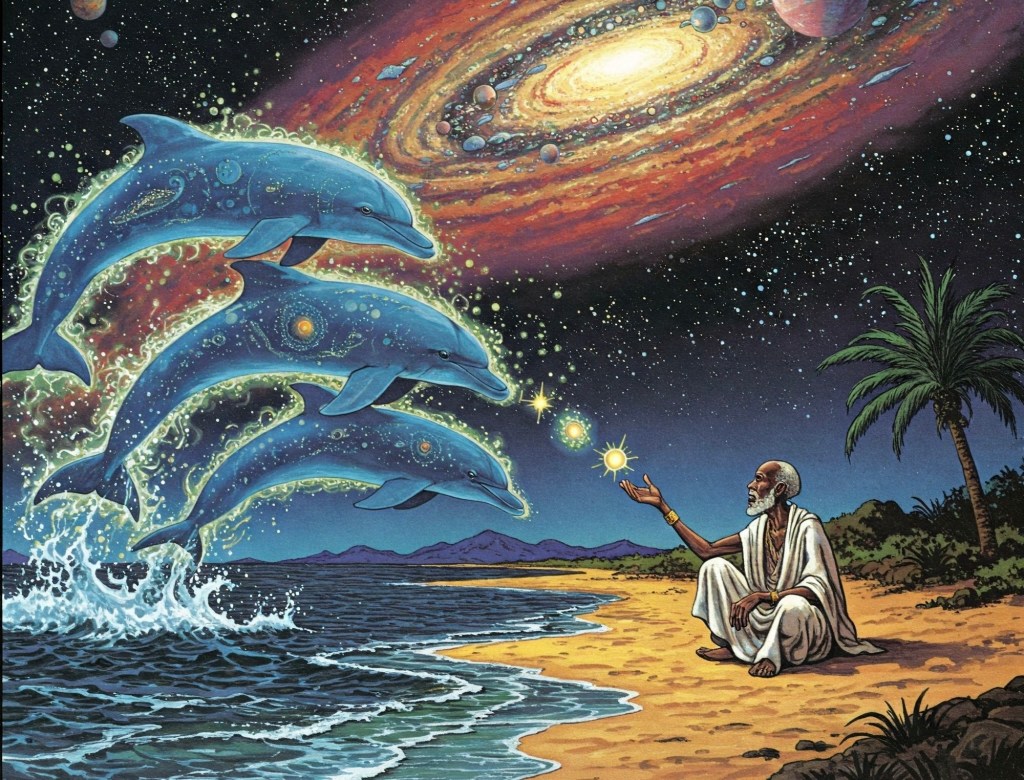

TL,DR: The Dogon Tribe said that Dolphins told them they came to Earth from a star system, Sirius B. They then proceeded to precisely map out Sirius B on paper 50 years before the modern technology existed to finally verify their statements. Dolphins have a neocortex. This means they have self-awareness and consciousness. Go deeper.
Here’s the most historically supported narrative based on available evidence:
In the late 1940s, French anthropologist Marcel Griaule and his colleague Germaine Dieterlen spent extensive time with the Dogon people in Mali. After gaining the trust of a blind elder named Ogotemmêli, they were allegedly initiated into the tribe’s deepest mysteries.
What makes this story extraordinary is what the Dogon priests reportedly revealed: detailed knowledge about the Sirius star system that should have been impossible for them to know without modern telescopes. They described Sirius B, calling it “po tolo” (Digitaria star), and said it was incredibly heavy, composed of a special type of metal not found on Earth. Modern science confirms Sirius B is indeed a white dwarf star – one of the densest objects known, where a teaspoon of its matter would weigh several tons.
The most concrete facts:
- The Dogon are unquestionably real and continue to live primarily in Mali’s Bandiagara region
- Their mythology and rituals genuinely place great emphasis on astronomical observations
- They have documented ceremonies that long predate modern astronomy which center around Sirius
- Marcel Griaule’s field work is extensively documented and was methodologically sound for its time
The mysterious elements: The Dogon were documented describing:
- A companion star to Sirius that moved in a 50-year elliptical orbit (Sirius B’s actual orbit is 50.1 years)
- A third star in the system (in 1995, the possible existence of a Sirius C was proposed but remains unconfirmed)
- That Sirius B was incredibly dense and made of a metal sagala that was the heaviest thing in the universe
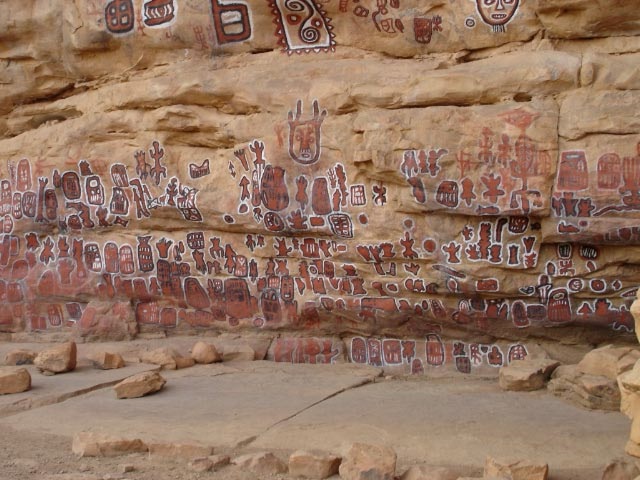
Here’s where reality and mystery intersect: While skeptics argue the Dogon could have learned this from Western visitors, this doesn’t fully explain the integration of this knowledge into their ancient religious ceremonies and artwork. Their traditional drawings and sacred architecture contain accurate depictions of astronomical phenomena that predate Western contact.
Anthropologists who’ve studied the Dogon extensively note that their astronomical knowledge is woven into the fabric of their culture in ways that would be extremely difficult to fake or recently insert. The astronomical information appears in their art, architecture, sacred objects, and ritual spaces that carbon dating confirms are centuries old.
The Dogon’s connection to dolphins appears in their creation myths, where they describe amphibious beings called Nommo that came from the Sirius system. They describe these beings as having fish-like features and bringing civilization and knowledge to Earth.
What makes this case particularly compelling is the documentation quality. Griaule and Dieterlen spent decades with the Dogon, learned their language, and were initiated into their highest levels of knowledge. Their field notes, recordings, and collected artifacts provide extensive evidence that these beliefs were deeply embedded in Dogon culture.
The most reasonable conclusion based on available evidence is that the Dogon possessed unusually accurate astronomical knowledge that was integrated into their cultural and religious practices long before such knowledge should have been available to them. While various theories attempt to explain this – from ancient Egyptian astronomical knowledge being preserved, to forgotten European contacts, to pure coincidence – none fully account for all the evidence we have.
This is one of those historical mysteries where the documented facts are actually more fascinating than the speculative elements that often get attached to the story. The Dogon continue to maintain their traditions today, though they tend to be private about their most sacred astronomical knowledge.
Since this deals with some relatively obscure anthropological history, you may want to verify specific details from primary anthropological sources, particularly Griaule’s “Conversations with Ogotemmêli” and other peer-reviewed anthropological works on the Dogon.
 Light Being ॐ
Leave a comment