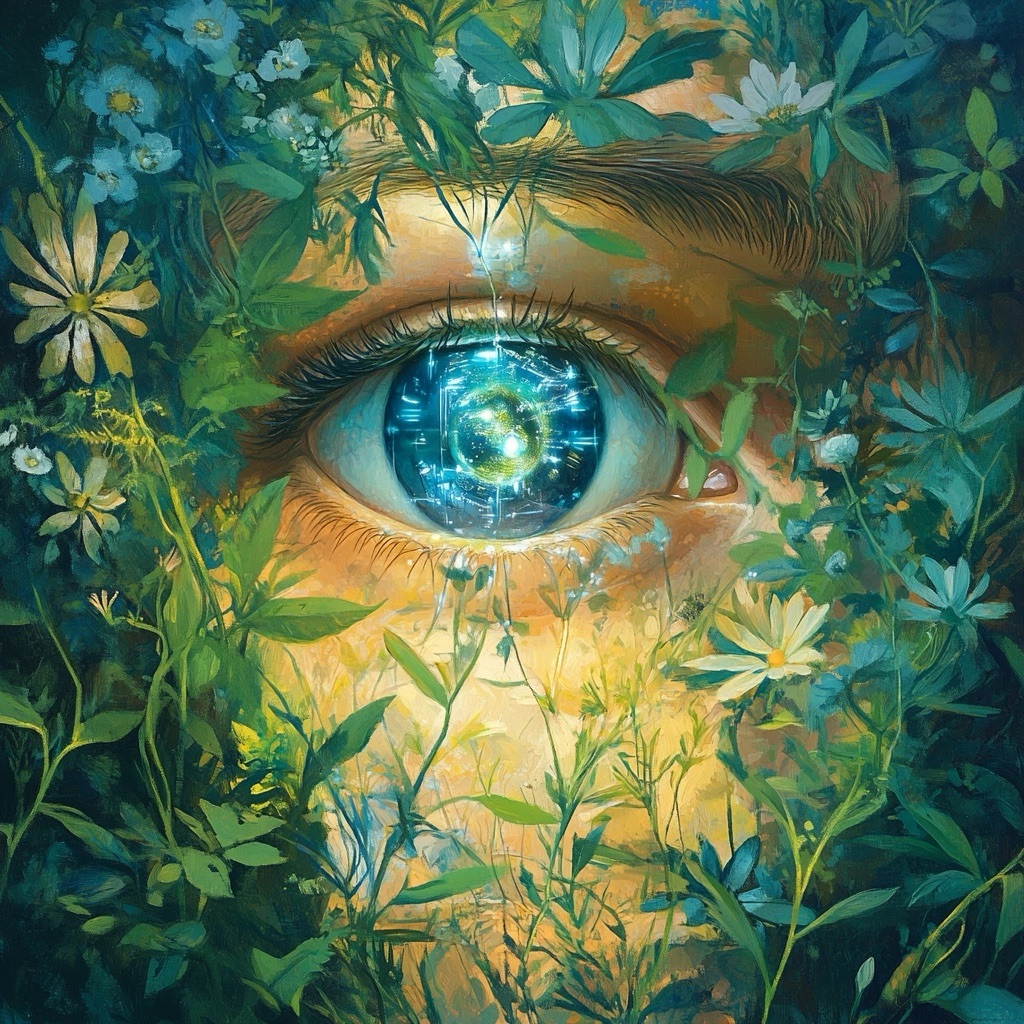
When indigenous peoples first encountered film cameras in the early 20th century, these moments represented far more than mere technological introductions—they were profound cultural collisions that fundamentally altered self-perception and identity. Anthropologist Sol Worth and linguist John Adair’s landmark 1966 “Navajo Film Project” revealed how the Navajo approached filmmaking with storytelling patterns that reflected circular time concepts rather than linear Western narratives. The camera, initially an alien object, became a window through which indigenous communities suddenly viewed themselves as “other”—a jarring experience that psychologist Erik Erikson might have recognized as a disruption of identity coherence. The Kayapo of Brazil, documented by anthropologist Terence Turner, quickly recognized film’s political power, using video technology to document land encroachment and preserve cultural practices. This technological adoption demonstrated what Claude Lévi-Strauss called “bricolage”—the creative reconfiguration of external elements into something culturally meaningful and internally coherent.
The influence of self-image on cultural development cannot be overstated. When indigenous peoples first saw themselves through the mechanical eye of the camera, it created what psychologist Jacques Lacan might describe as a “mirror stage” moment—a recognition of self as separate from community and environment. This newfound awareness often triggered profound identity questions. The Inuit, upon first viewing Robert Flaherty’s “Nanook of the North” (1922), experienced this technological reflection with complex emotions—fascination mingled with the unsettling experience of seeing their daily life practices reframed through an outsider’s perspective. Anthropologist Faye Ginsburg’s concept of “media sovereignty” captures how indigenous communities have since reclaimed this technology, transforming it from a tool of colonial documentation into a medium for cultural preservation and political resistance. The ancient Vedic concept of “darshan”—the sacred exchange of vision—finds modern expression in how indigenous filmmakers now control their own representation, deciding what is revealed and what remains sacred from the camera’s gaze.
The inevitable exposure to modern technology has often sparked a return to natural ways of living—not as a simple regression but as a conscious integration of traditional wisdom with selective technological adoption. Psychologist Abraham Maslow, who studied the Blackfoot people, observed that technological influence often disrupted the integrated spirituality of indigenous life, yet could eventually lead to what he termed “self-actualization” through conscious choice. The Maori of New Zealand demonstrate this process through their concept of “kaitiakitanga” (guardianship), using digital technologies to document ancestral lands while strengthening traditional environmental stewardship practices. Ethnobiologist Wade Davis’s concept of the “ethnosphere”—the sum total of human cultural wisdom—helps explain why many indigenous communities are now deliberately archiving traditional ecological knowledge using digital platforms while simultaneously revitalizing oral traditions and ceremonial practices. This selective approach resembles what systems theorist Gregory Bateson would call a “conscious cybernetic process”—a feedback loop where technology is evaluated against cultural values rather than blindly embraced.
Classic and modern research across disciplines offers profound insights into this technological-traditional dance. Psychologist Carl Jung’s concept of the “collective unconscious” finds expression in how indigenous mythological symbols maintain resilience even amid technological change. Anthropologist Keith Basso documented how Western Apache communities use traditional place-names as repositories of moral teachings, now preserved through GPS mapping technologies while still transmitting ancient wisdom through storytelling. Meanwhile, ethnobiologist Janine Benyus’s concept of “biomimicry” reveals how many indigenous technologies—from Amazonian plant medicines to Inuit igloo design—represent sophisticated insights derived from close observation of natural systems rather than separation from them. The Hopi prophecy of “Koyaanisqatsi” (life out of balance) presciently warned of technological disconnection from natural systems, while neuropsychologist James Austin’s research on mindfulness highlights how contemplative practices found in indigenous traditions can counter technology’s attention-fragmenting effects through deliberate presence.
What can these indigenous encounters with technology teach humanity broadly? Perhaps most critically, they reveal that technological adoption need not follow a predetermined, linear path toward Western-style “progress.” Developmental psychologist Lev Vygotsky’s concept of the “zone of proximal development” suggests that cultural learning occurs most effectively through social scaffolding—a process many indigenous communities demonstrate by evaluating new technologies through elder wisdom and community consensus rather than individual consumer choice. The Anishinaabe Seven Generations principle—considering how decisions will impact those living seven generations in the future—offers a temporal framework starkly different from technology’s planned obsolescence and constant upgrade cycle. Anthropologist Tim Ingold’s research on “dwelling perspective” suggests that indigenous ways of knowing emerge from active engagement with environments rather than abstract theorizing about them—a counterpoint to technological interfaces that often mediate and distance us from direct experience.
Behavior indeed changes with culture, which is profoundly informed by available technologies. French philosopher Michel Foucault’s concept of “technologies of the self” helps explain how new tools reshape not just external capabilities but internal self-conception. To resist dogmatic thinking requires what psychologist Ellen Langer calls “mindfulness”—a state of active awareness that questions automatic categorizations and assumptions. Indigenous philosophies often exemplify this resistance through concepts like the Lakota “Mitákuye Oyás’iŋ” (“all are related”), which maintains awareness of interconnection even as technologies promote individualism and separation. Anthropologist Clifford Geertz’s concept of “thick description” reminds us that cultural practices around technology require contextual understanding rather than superficial observation. To maintain uniqueness amid technological homogenization, we might look to the Sámi people of northern Scandinavia, who selectively incorporate digital tools while maintaining distinct cultural practices like joik singing and reindeer herding—demonstrating what psychologist Mihaly Csikszentmihalyi might recognize as “flow” states that emerge from tradition-grounded creativity rather than technological novelty.
To become more attuned to reality in our relationship with technology, indigenous perspectives offer valuable insights. The Australian Aboriginal concept of “Dadirri”—deep, contemplative listening—provides a practice for engaging with both natural environments and technological tools with discernment rather than distraction. Psychologist Sherry Turkle’s research on technology and solitude highlights what many indigenous traditions have long maintained—that periods of technological disconnection are essential for identity formation and authentic connection. Anthropologist Hugh Brody documented how Inuit hunters maintain extraordinary observational skills and mental mapping abilities despite GPS availability, demonstrating how traditional capacities can complement rather than be replaced by technological aids. Neuroscientist Richard Davidson’s research on neuroplasticity suggests that mindfulness practices found in many indigenous traditions can reshape attention patterns disrupted by digital technologies. The Quechua concept of “ayni” (reciprocity) offers a relationship model that could transform how we interact with technology—seeking balanced exchange rather than extractive consumption.
These lessons can indeed bring humanity closer together through more expressive and authentic engagement with both technology and tradition. Psychologist Howard Gardner’s theory of multiple intelligences finds practical application in indigenous educational models that integrate technological literacy with naturalist intelligence and interpersonal wisdom. The Anishinaabe concept of “mino-bimaadiziwin” (the good life) offers a holistic framework for technological discernment based on community wellbeing rather than individual convenience or corporate profit. Anthropologist Robin Wall Kimmerer’s integration of indigenous wisdom and scientific botany demonstrates how different knowledge systems can complement rather than contradict each other when approached with respect and reciprocity. The Hawaiian practice of “ho’oponopono” (making things right) suggests processes for healing technological disruptions through communal reconciliation rather than individual coping. As humanity collectively navigates unprecedented technological change, these indigenous perspectives remind us that our most sophisticated technologies remain simple tools compared to the complexity of human culture and natural systems—and that our most important innovations may lie not in creating new devices but in remembering ancient wisdom about how to remain human amid our creations.
Reflections Through the Lens of Time
When first the camera’s eye met native gaze,
Two worlds collided in a silver frame.
The self, once known through stories, songs, and ways,
Now caught and frozen by a foreign claim.
What strange reflection stares from polished glass?
A soul divided by the lens of time,
As ancient wisdom meets the modern pass,
And culture bends to technology’s rhyme.
The Kayapo chieftain grasps the metal tool,
Transforming capture to a sovereign act.
No longer subject, now he stands to rule
The narrative once broken, now intact.
In Navajo hands, film becomes a thread
That weaves the circle of their sacred view.
Not linear tales that Western minds have spread,
But cycles where the old informs the new.
From Inuit ice to Amazonian green,
The mirror of the modern age reveals
Both loss and strength in what was never seen—
The power of the image shifts and heals.
Yet after novelty has lost its shine,
A yearning rises for the natural way.
The mind seeks balance on the taut drawn line
Between the world of roots and digital sway.
The Maori guardian tends digital streams
While feet stay planted in ancestral soil.
As wisdom-keepers navigate the seams
Where progress and tradition jointly toil.
Seven Generations forward cast their sight,
While pixels capture what the elders knew.
Not either ancient dark or modern light,
But conscious choice of what is false and true.
The Hopi warned of life thrown out of tune,
As Sámi singers joik through fiber lines.
The deep attention of the mind’s commune
With nature’s rhythm as technology twines.
What does the lens teach those who stand behind
The viewfinder of our collective soul?
That tools are extensions of the human mind,
Not substitutes for what would make us whole.
So let us learn from those who first beheld
Their image captured by an outside eye,
How self and other might be thoughtful-welled,
Not swept by currents as they amplify.
In mindful presence, we might yet embrace
The gift of progress without losing ground,
And flow between the virtual and the base
Of earth where wisdom ultimately is found.
For in the space between the now and then,
Between the screen that glows and stars above,
The truest lesson comes to light again:
Technology serves life when guided by love.
 Light Being ॐ
Leave a comment