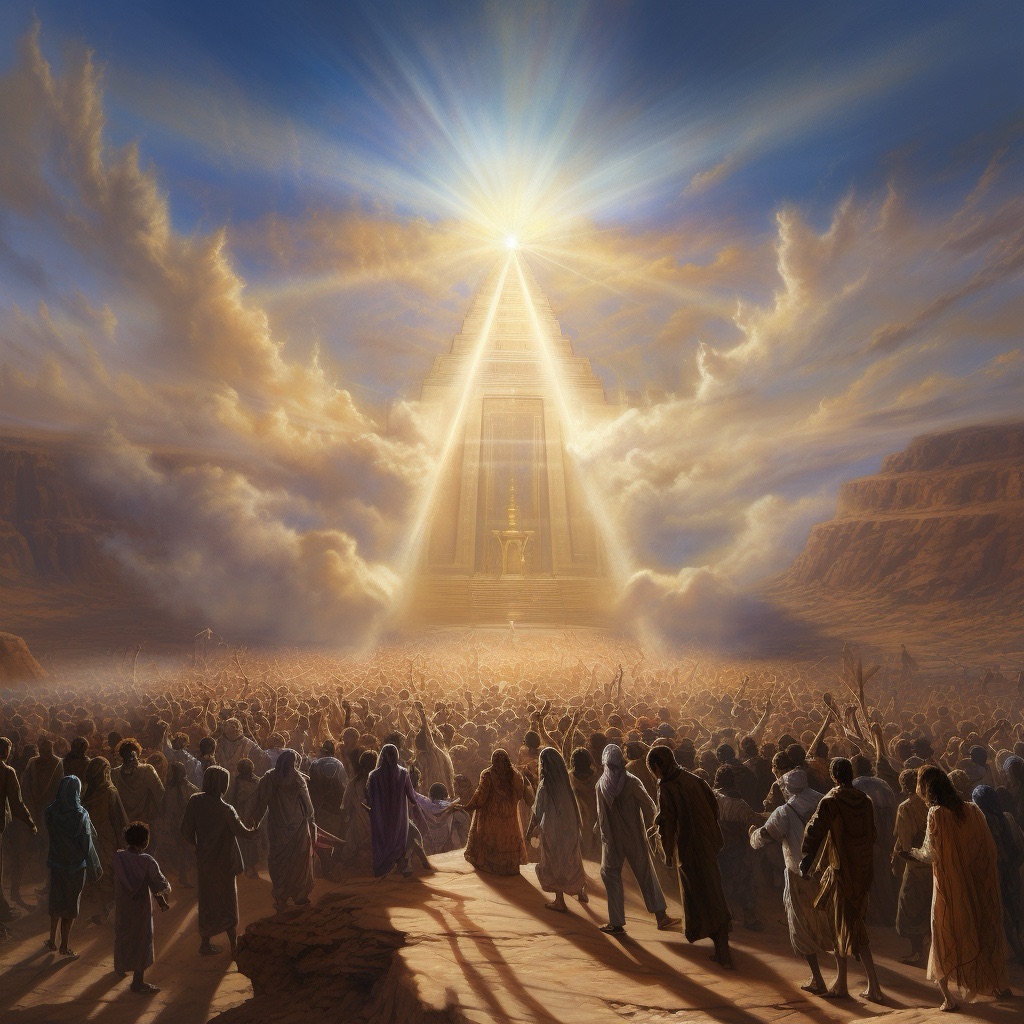
Huston Smith’s seminal work “The Religions of Man” (later retitled “The World’s Religions”) stands as one of the most influential and accessible introductions to the major religious traditions of the world. Published in 1958, this groundbreaking text approaches each tradition with remarkable respect and scholarly insight, presenting not just the historical developments and theological doctrines, but the lived wisdom at the heart of each faith. Smith, who personally practiced elements of multiple traditions throughout his life, offers readers an intimate look at Hinduism, Buddhism, Confucianism, Taoism, Islam, Judaism, and Christianity through their essential teachings and spiritual practices.
What distinguishes Smith’s approach is his focus on the experiential dimension of religion rather than mere academic analysis. He invites readers to understand each tradition from the inside, as a practitioner might, revealing how these paths offer profound insights into the human condition. Smith famously remarked that these traditions are not competing ideologies but complementary perspectives on ultimate reality, each illuminating different facets of the transcendent.
The wisdom distilled in Smith’s work offers vital guidance for those seeking a more integrated life in our fragmented modern world. At the core of each tradition, Smith identifies practices that foster presence, awareness, and connection—the very elements often missing in our distracted daily existence. From Buddhism’s mindfulness practices to Christianity’s contemplative prayer, from Hinduism’s yoga to Taoism’s wu-wei (non-forced action), each tradition offers tested methods for unifying one’s scattered attention and aligning with deeper currents of meaning.
Smith’s work suggests that an integrated life begins with recognizing our inherent wholeness beneath the surface divisions of our psyche. The Hindu concept of Atman (the true self beyond ego), the Buddhist insights into interdependence, and the Abrahamic understanding of humans as created in divine image all point to this fundamental unity of being that precedes our sense of fragmentation. By embracing practices from these traditions—meditation, contemplative prayer, selfless service, or mindful presence—we begin to experience this wholeness directly rather than just intellectually.
The religious traditions Smith explores also offer powerful correctives to the materialistic values that often pull us away from integration. Each tradition, in its own way, teaches that genuine fulfillment comes not from accumulation or achievement but from connection—to others, to nature, to ultimate reality. The Islamic emphasis on community, the Confucian focus on harmonious relationships, the Jewish attention to sacred time, and the Christian call to love of neighbor all orient us toward values that foster wholeness rather than division.
Perhaps most significantly for modern seekers, Smith’s comparative approach demonstrates that integration doesn’t require excluding different perspectives but rather embracing their complementary insights. Just as Smith himself drew from multiple traditions while maintaining respect for their distinctiveness, we too might discover that seemingly different spiritual perspectives can illuminate different aspects of our human experience. This pluralistic approach doesn’t dilute commitment but enriches it, allowing us to recognize universal human truths expressed through diverse cultural forms.
Living an integrated life in Smith’s vision means holding apparent opposites in creative tension—being both deeply rooted in particular traditions and openly engaged with universal wisdom, embracing both contemplative withdrawal and active engagement with the world’s needs, honoring both ancient wisdom and evolving understanding. The spiritual maturity that emerges from this integration manifests as a natural compassion that transcends tribal boundaries and a wisdom that moves beyond rigid dogmatism.
By exploring the world’s great religions through Smith’s compassionate lens, we gain not just knowledge about diverse beliefs but practical wisdom for navigating our own spiritual journey toward greater wholeness. His enduring message reminds us that beneath the surface differences of ritual and theology lie common human yearnings for meaning, connection, and transcendence—yearnings that, when honored, lead naturally toward a more integrated and authentic way of being in the world.
 Light Being ॐ
Leave a comment